
- Home
- /
- Condition
- /
- Shoulder Pain
Shoulder Pain Treatment in North Scottsdale
Dr. Glen Tanner offers shoulder adjustments to restore proper joint mechanics, combined with rotator cuff strengthening and corrective exercise to address chronic shoulder pain and impingement.

Common Shoulder Pain Symptoms
Shoulder dysfunction manifests through various symptoms that can significantly limit daily activities and athletic performance:
Pain with Overhead Movement
Sharp or aching pain when reaching overhead, behind the back, or across the body. Common with activities like putting dishes away, reaching into the back seat, or performing overhead exercises.
Night Pain
Shoulder discomfort that worsens when lying on the affected side or prevents finding comfortable sleeping positions. Night pain often indicates rotator cuff involvement or significant inflammation.
Weakness or Instability
Reduced strength during pressing or pulling movements, difficulty carrying objects, or sensation of shoulder "giving out" during activity. Weakness may indicate rotator cuff tear or nerve involvement.
Limited Range of Motion
Restricted ability to raise arm overhead, reach behind back, or rotate shoulder. Stiffness may develop gradually (adhesive capsulitis) or follow acute injury. Significant restriction impacts daily function
Clicking or Popping
Audible or palpable sensations during shoulder movement. While some clicking is benign, painful popping may indicate labral pathology, cartilage damage, or significant instability requiring evaluation.
Radiating Pain
Discomfort extending from shoulder into upper arm, neck, or between shoulder blades. Referred pain patterns can indicate cervical spine involvement, thoracic outlet syndrome, or rotator cuff pathology.
If you're experiencing any of these symptoms, comprehensive evaluation is essential to identify the underlying cause and develop an effective treatment plan.
What Causes Shoulder Pain?
The shoulder is the most mobile joint in the body, which creates inherent instability. Shoulder pain typically results from the interaction between mobility demands, stability deficits, and repetitive stress.

Rotator Cuff Dysfunction
The most common cause of shoulder pain. Rotator cuff tendinitis, impingement, or tears result from repetitive overhead activity, weakness in stabilizing muscles, or acute injury. Degeneration increases risk in patients over 40.
Scapular Dyskinesis
Abnormal shoulder blade movement creates compensatory stress on the glenohumeral joint. Poor scapular control results from weak lower trapezius and serratus anterior combined with tight pectoralis and upper trapezius muscles.
Adhesive Capsulitis (Frozen Shoulder)
Progressive restriction in shoulder range of motion with significant pain. Often develops following period of immobility, affects women more than men, and is more common in patients with diabetes or thyroid disorders.
Labral Pathology
Tears in the fibrocartilage rim (labrum) stabilizing the shoulder joint. Results from acute injury, repetitive overhead activity, or shoulder instability. SLAP tears affect overhead athletes. Bankart lesions follow dislocation.
Postural Dysfunction
Forward head posture and rounded shoulders alter scapular position and reduce subacromial space. Years of desk work or computer use creates chronic postural adaptation that increases impingement risk and rotator cuff stress.
AC Joint Arthritis
Degeneration or injury to the acromioclavicular joint creates pain at the top of the shoulder. Common in weightlifters, manual laborers, or following acute AC separation. Pain localizes to the joint and worsens with cross-body movement.

Why Rest and Anti-Inflammatories Aren't Enough
Standard shoulder pain treatment typically focuses on rest, ice, and anti-inflammatory medication. While these approaches may reduce acute symptoms, they fail to address the biomechanical dysfunction and muscle imbalances creating the problem.
Rest may allow inflammation to resolve, but returning to activity with the same scapular dyskinesis and rotator cuff weakness that created the impingement guarantees recurrence. Anti-inflammatories reduce pain without correcting the forward shoulder posture, weak lower trapezius, or tight pectoralis muscles perpetuating the dysfunction.
Basic physical therapy may strengthen some muscles, but without addressing thoracic spine mobility, scapular positioning, and proper movement sequencing, improvement plateaus. The underlying biomechanical problem remains unresolved.
Dr. Tanner's Approach to Shoulder Pain Treatment
With over 30 years of clinical experience treating shoulder injuries in athletes and active adults, Dr. Tanner has developed a comprehensive protocol addressing both acute symptoms and the biomechanical dysfunction that perpetuates chronic shoulder pain.
- C.C.S.M.S
- Sports Injury Specialist
- Licensed in Physiotherapy
- TPI Certified


Advanced Training in Shoulder Rehabilitation
C.C.S.M.S (Certified Chiropractic Sports Medicine Specialist) - Board certification in sports medicine including shoulder injury evaluation and treatment

Comprehensive Shoulder Assessment
Treatment begins with thorough evaluation including scapular movement assessment, rotator cuff strength testing, impingement testing to identify mechanical compression, thoracic spine mobility evaluation, and postural analysis. This comprehensive assessment identifies all contributing factors to your shoulder pain.

Customized Treatment Protocol
Based on your specific diagnosis and movement dysfunction patterns, we develop a targeted treatment plan. Not every shoulder condition requires the same intervention - the approach is tailored to your presentation.

Shoulder and Thoracic Adjustments
Precise adjustments restore proper glenohumeral joint mechanics, improve thoracic spine mobility, and optimize scapular positioning. Thoracic restriction is a common but often overlooked contributor to shoulder dysfunction.

Rotator Cuff Strengthening
Progressive resistance exercise targeting rotator cuff muscles using specialized equipment. We address specific strength deficits identified during evaluation while maintaining proper scapular control throughout movement.
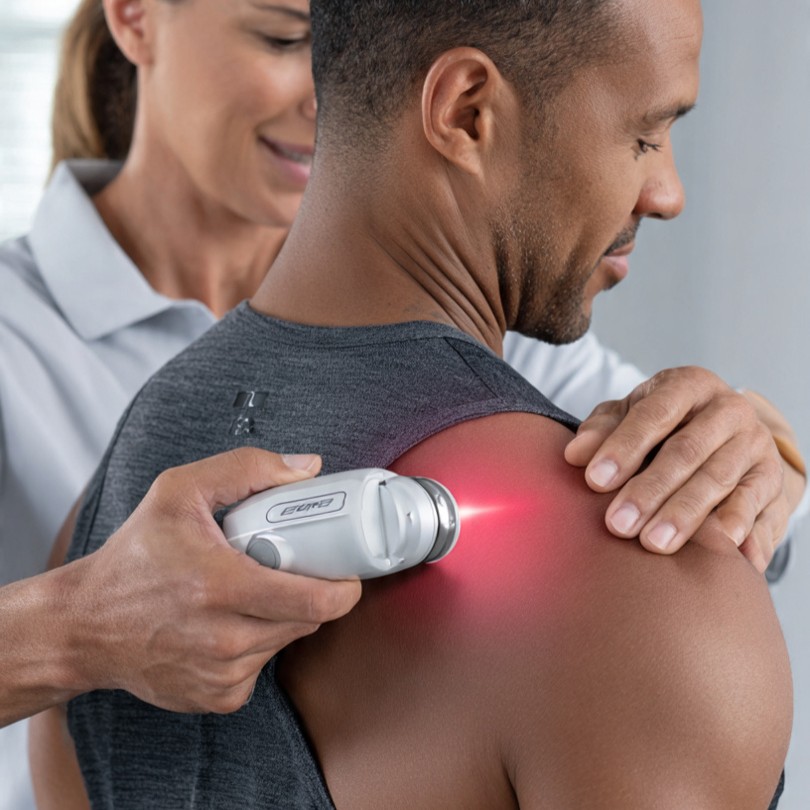
Scapular Stabilization
Targeted exercise to strengthen lower trapezius, serratus anterior, and rhomboids while stretching tight pectoralis and upper trapezius. Proper scapular control is essential for pain-free overhead movement.
What to Expect

Comprehensive Assessment
Thorough evaluation including postural analysis, movement assessment, and identification of all contributing factors. You'll leave understanding exactly what's causing your pain.

Active Treatment
Focus shifts to corrective exercise and movement training for sustainable results. The goal is independence, not ongoing dependence.

Corrective & Maintenance
Focus shifts to corrective exercise and movement training for sustainable results. The goal is independence, not ongoing dependence.
Most patients experience significant improvement within 4-6 weeks. Chronic conditions may require 8-12 weeks for optimal results.
Frequently Asked Questions
Ready to Address Your Shoulder Pain?
Schedule your consultation with Dr. Tanner to receive a comprehensive shoulder evaluation and customized treatment plan. During your first visit, we'll identify the specific causes of your shoulder pain and develop a strategic approach to lasting relief and restored function.