
- Home
- /
- Condition
- /
- Neck Pain
Neck Pain Treatment in North Scottsdale
Dr. Glen Tanner offers cervical spinal adjustments to restore alignment and motion, combined with posture correction and therapeutic services to address chronic neck pain and headaches.

Common Neck Pain Symptoms
Cervical spine dysfunction manifests through various symptoms that can significantly impact daily function and quality of life:
Chronic Neck Stiffness
Persistent restriction in cervical range of motion, difficulty turning head while driving, or pain with specific movements. Stiffness often worsens after prolonged static positions such as computer work or sleeping.
Tension Headaches
Headaches originating from the base of the skull and radiating forward or to the temples. Often described as a tight band around the head. Cervicogenic headaches result from neck dysfunction rather than primary headache disorders.
Radiating Arm Pain
Pain, numbness, or tingling extending from the neck into the shoulder, arm, or hand. Indicates nerve root involvement from disc herniation, foraminal stenosis, or other cervical pathology.
Muscle Spasms
Involuntary muscle contractions in the neck, upper back, or shoulder region. Spasms typically indicate underlying joint dysfunction or postural compensation creating chronic muscle overload.
Limited Mobility
Reduced ability to rotate, extend, or side-bend the neck. Functional limitations include difficulty checking blind spots while driving, looking up, or turning to conversation partners.
Upper Back Pain
Discomfort between the shoulder blades often accompanies cervical dysfunction. This referred pain pattern results from postural compensation and muscle imbalances in the cervical-thoracic junction.
If you're experiencing any of these symptoms, comprehensive evaluation is essential to identify the underlying cause and develop an effective treatment plan.
What Causes Neck Pain?
Most neck pain develops from cumulative postural stress, repetitive strain, or acute injury. Understanding the underlying cause guides effective treatment strategy.

Forward Head Posture
The most common contributor to chronic neck pain. Years of computer work, smartphone use, or desk-based occupation create forward head position that increases load on cervical structures by 10 pounds for every inch of forward translation.
Cervical Disc Herniation
Disc material extending beyond normal boundaries can compress cervical nerve roots, causing neck pain with radiating arm symptoms. C5-C6 and C6-C7 disc herniations are most common.
Facet Joint Dysfunction
Restricted or hypermobile facet joints alter normal cervical mechanics. Facet syndrome causes localized neck pain that worsens with extension and rotation, often associated with referred headaches.
Muscle Imbalances
Weakness in deep cervical flexors combined with tightness in upper trapezius and levator scapulae creates biomechanical dysfunction. These imbalances perpetuate poor posture and chronic strain.
Whiplash Injury
Motor vehicle accidents or sports trauma can create acute cervical strain with lasting effects. Whiplash often damages soft tissues, alters proprioception, and creates chronic instability if not addressed properly.
Degenerative Changes
Age-related disc degeneration, facet arthritis, or bone spurs reduce space for neural structures and alter joint mechanics. Degenerative changes often remain asymptomatic until combined with other factors.

Why Symptom Management Isn't Enough
Standard neck pain treatment typically focuses on pain relief through medication, massage, or basic physical therapy. While these approaches may reduce immediate discomfort, they often fail to address the postural dysfunction and biomechanical problems causing the condition.
Pain medication provides temporary relief without addressing causation. Massage may reduce muscle tension, but without correcting the forward head posture and weak deep neck flexors creating that tension, relief is short-lived. Basic physical therapy may strengthen some muscles, but without restoring proper cervical alignment and joint mechanics, improvement plateaus.
Many patients experience a cycle of temporary improvement followed by recurrence. The forward head posture remains. The facet joint restrictions persist. The muscle imbalances continue to perpetuate the problem. Without addressing these underlying factors, neck pain returns.
Dr. Tanner's Approach to Neck Pain Treatment
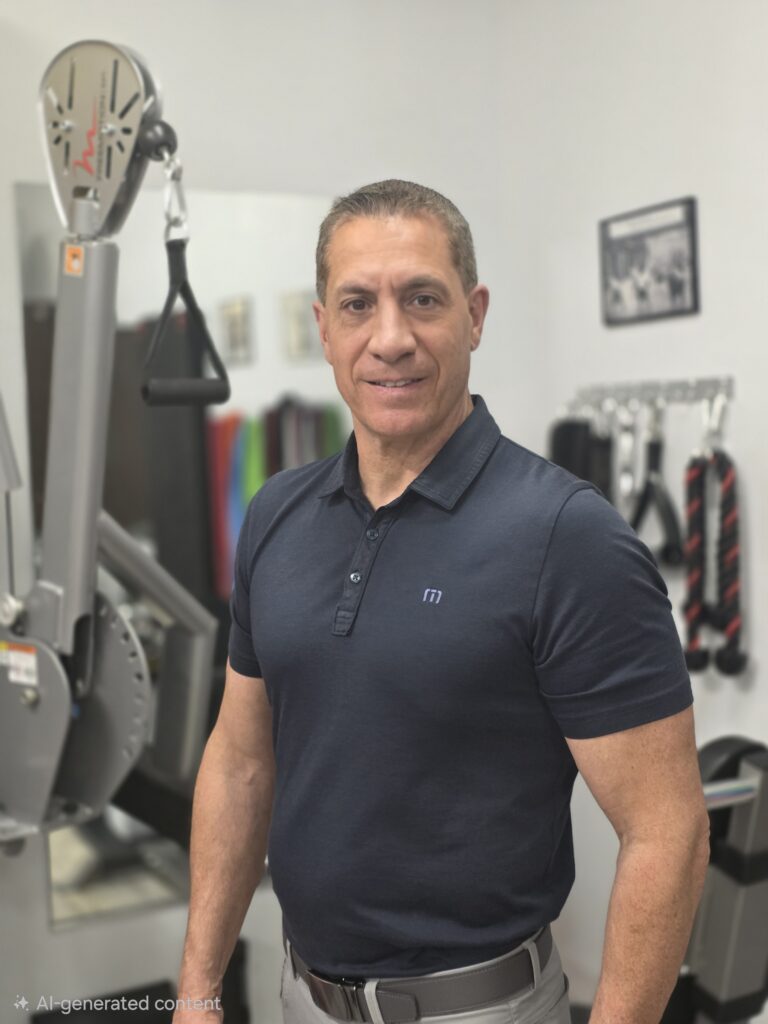
With over 30 years of clinical experience treating cervical spine conditions, Dr. Tanner has developed a comprehensive protocol addressing both acute symptoms and the postural dysfunction that perpetuates chronic neck pain.
- C.C.S.M.S
- Sports Injury Specialist
- Licensed in Physiotherapy
- TPI Certified
Specialized Training in Cervical Spine Disorders
Licenced in Physiotherapy - Advanced therapeutic techniques for cervical rehabilitation and postural correction
Comprehensive Cervical Assessment
Treatment begins with thorough evaluation including postural analysis to identify forward head position and upper crossed syndrome, cervical range of motion testing, neurological examination if arm symptoms are present, and movement assessment to reveal compensatory patterns. This evaluation determines the primary contributors to your neck pain.

Customized Treatment Protocol
Based on your specific presentation, we develop a treatment plan using the most appropriate interventions. The approach is tailored to your diagnosis, severity, and functional goals.
Cervical Adjustments
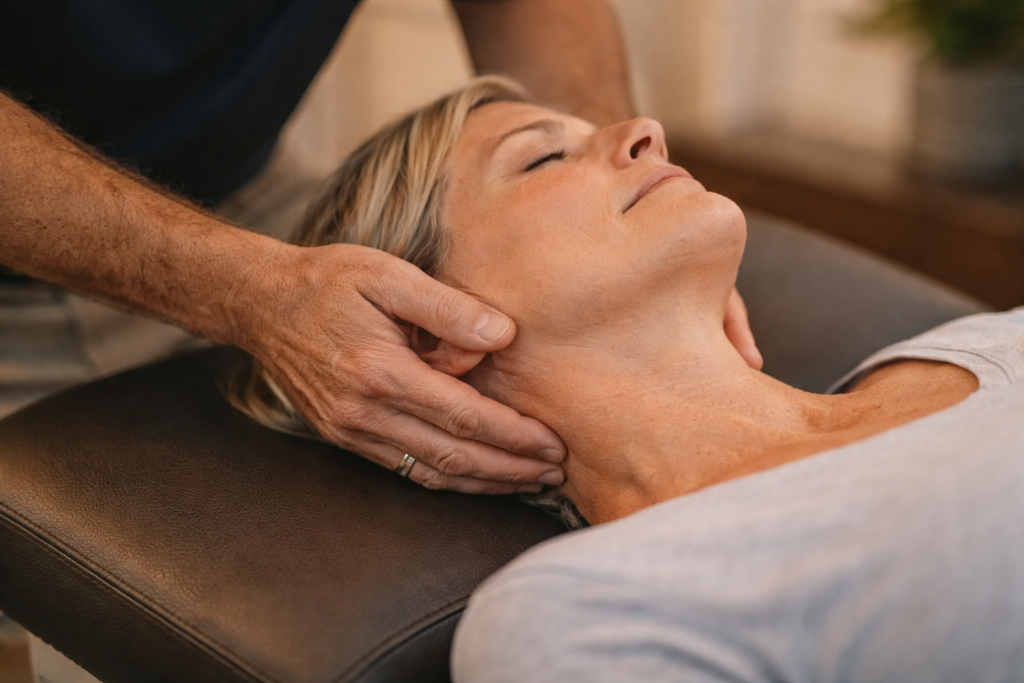
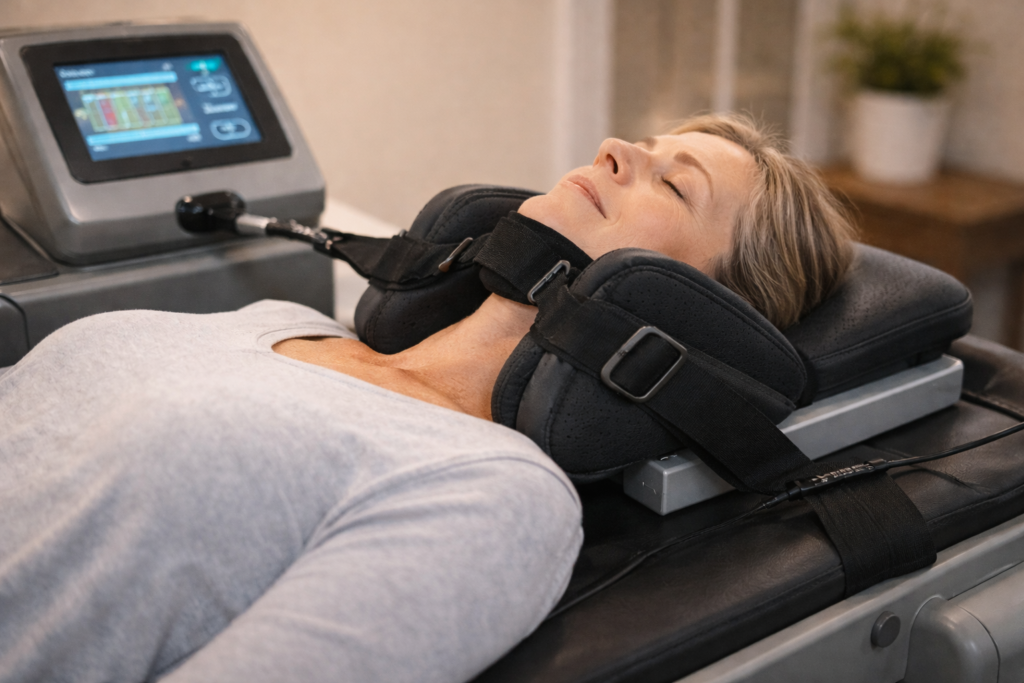
Precise, gentle adjustments restore proper cervical joint mechanics, reduce facet restriction, and improve overall alignment. Techniques are adapted to patient comfort and specific joint dysfunction identified during evaluation.
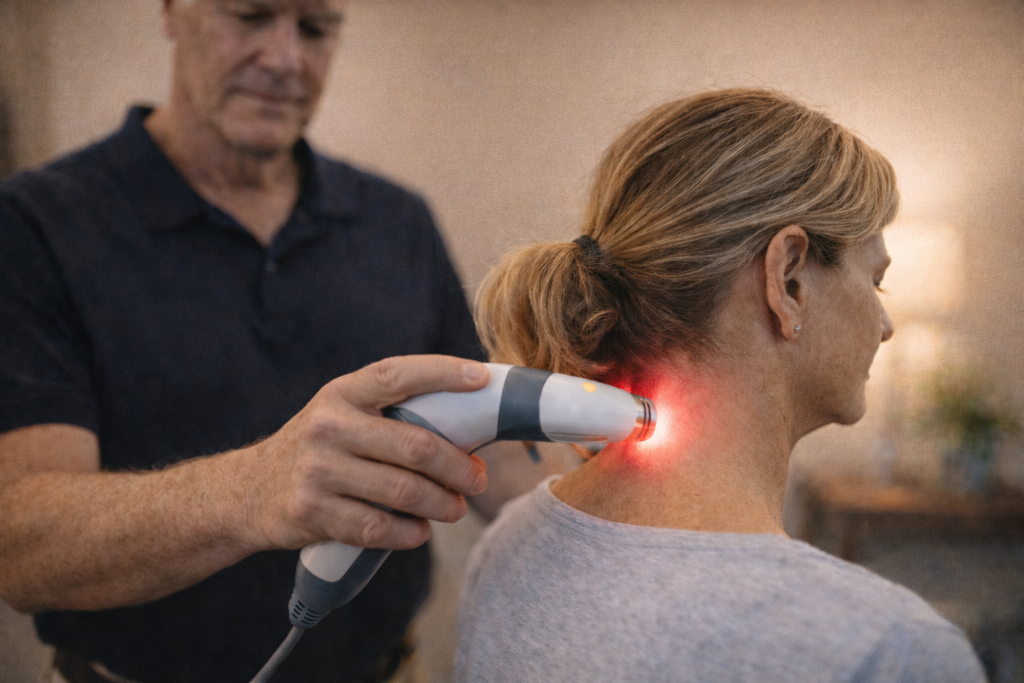
Postural Correction
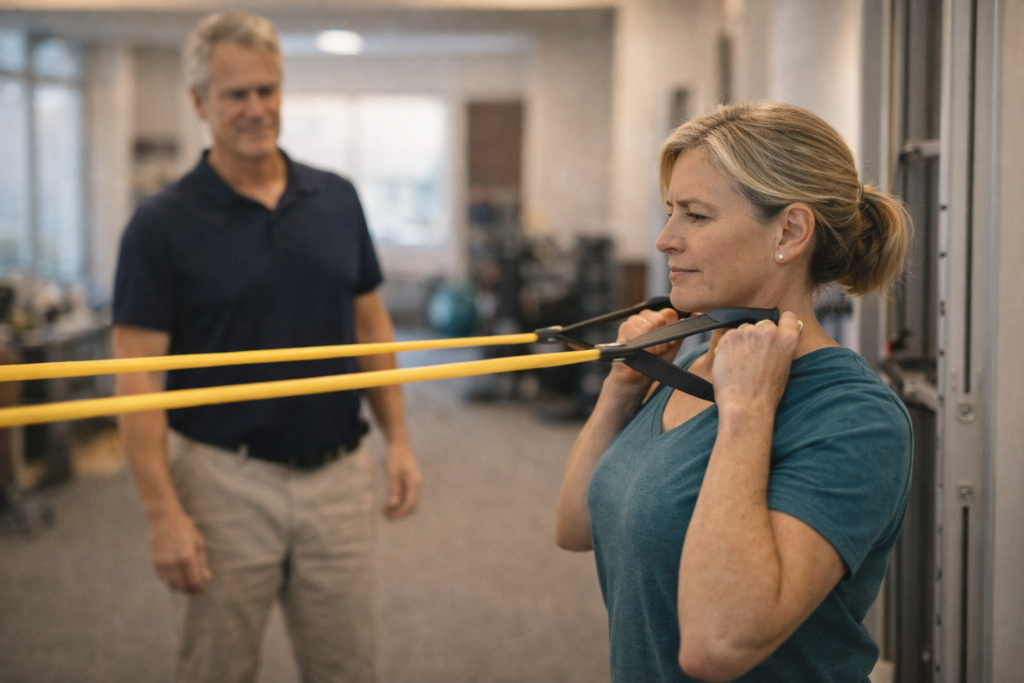
Targeted exercise to strengthen deep cervical flexors, stretch tight upper trapezius and levator scapulae, and correct forward head position. We address the biomechanical root of chronic neck pain.
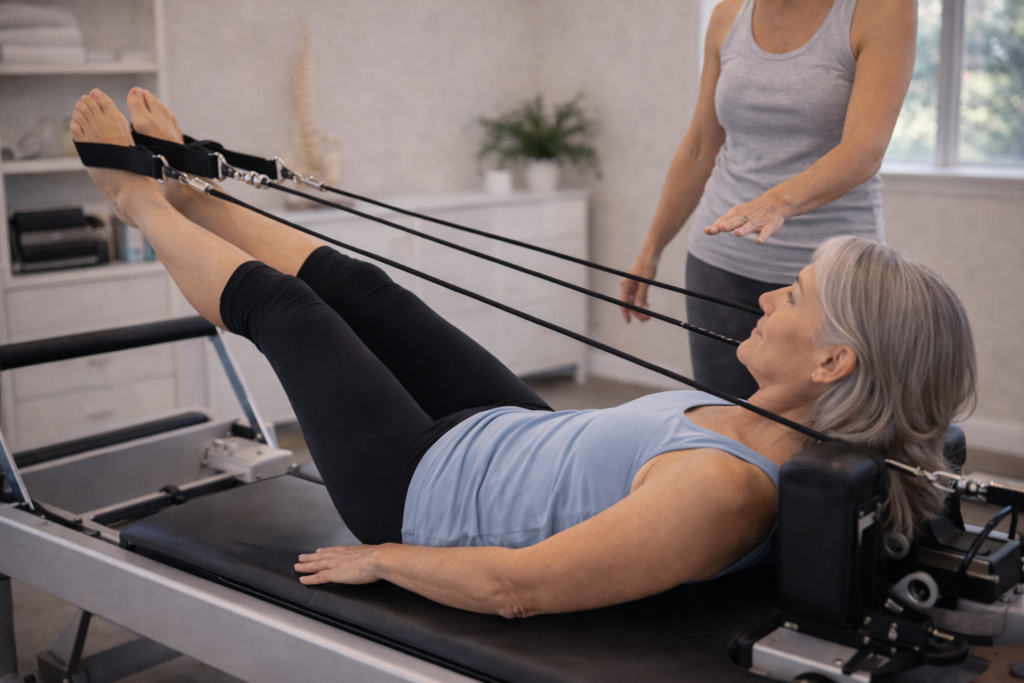
Clinical Pilates
For significant postural dysfunction, clinical Pilates provides controlled rehabilitation to retrain proper head and neck position, strengthen supporting musculature, and improve overall posture and alignment.
What to Expect

Comprehensive Assessment
Thorough evaluation including postural analysis, movement assessment, and identification of all contributing factors. You'll leave understanding exactly what's causing your pain.

Active Treatment
Customized treatment using only the modalities that deliver optimal results. Frequency and approach adjusted based on your response to care.

Corrective & Maintenance
Focus shifts to corrective exercise and movement training for sustainable results. The goal is independence, not ongoing dependence.
Most patients experience significant improvement within 4-6 weeks. Chronic conditions may require 8-12 weeks for optimal results.
Frequently Asked Questions
Ready to Address Your Neck Pain?
Schedule your consultation with Dr. Tanner to receive a comprehensive cervical evaluation and customized treatment plan. During your first visit, we'll identify the specific causes of your neck pain and develop a strategic approach to lasting relief.