
- Home
- /
- Condition
- /
- Golf Injury
Golf Injury Treatment in North Scottsdale
TPI-certified treatment combining golf biomechanics expertise with spinal adjustments, corrective exercise, and performance optimization. Dr. Glen Tanner has treated PGA Tour golfers and understands the unique demands of the game.

Common Golf-Related Injuries
The golf swing creates repetitive stress on specific areas of the body. Understanding these injury patterns is essential for effective treatment and prevention:
Lower Back Pain
The most common golf injury, affecting up to 35% of golfers. Repetitive rotation and side-bending during the swing creates cumulative stress on lumbar structures. Pain often worsens during or after play.
Lead Shoulder Pain
Rotator cuff strain, impingement, or labral injury in the lead shoulder (left shoulder for right-handed golfers). Results from the deceleration phase of the swing and improper sequencing.
Trail Elbow Pain (Golfer's Elbow)
Medial epicondylitis affecting the trail arm. Caused by excessive grip pressure, poor swing mechanics, or hitting heavy or fat shots. Pain occurs on the inside of the elbow.
Wrist Injuries
Tendinitis, ligament strain, or hamate bone fractures from ground impact or excessive hand action through impact. More common in players with steep swing planes or those who practice on hard surfaces.
Hip Pain
Lead hip impingement, labral tears, or iliopsoas strain from rotational stress. Hip mobility restrictions force compensation through the lower back, creating additional injury risk.
Rib Pain
Intercostal muscle strain or costochondral junction inflammation from rotational stress. Often affects the lead side and can be mistaken for cardiac or respiratory issues.
If you're experiencing any of these symptoms, comprehensive evaluation is essential to identify the underlying cause and develop an effective treatment plan.
Why Golfers Get Injured
Golf injuries result from the interaction between swing mechanics, physical limitations, and training volume. TPI research identifies specific physical-swing connections that create injury risk.

Physical Limitations
Restricted hip rotation, limited thoracic mobility, or poor core stability forces compensatory movements that increase injury risk. Your body will find a way to swing, but if proper mobility doesn't exist, compensation creates stress.
Swing Characteristics
Reverse spine angle, early extension, over-the-top move, or excessive lateral shift create mechanical stress on specific areas. TPI research maps swing faults to physical limitations that can be corrected.
Training Volume
Excessive practice without adequate recovery, hitting off hard mats, or rapid increase in play frequency exceeds tissue tolerance. Professional instruction can't prevent injury if physical capacity is inadequate.
Muscle Imbalances
Dominant side overuse, weak glutes combined with tight hip flexors, or poor scapular control creates asymmetries that accumulate over thousands of swings per year.
Poor Sequencing
Improper kinematic sequence (the order body segments accelerate) increases joint stress and reduces power. Arms initiating downswing before hips creates significant lower back and shoulder stress.
Equipment Issues
Clubs too long, incorrect lie angles, or grips sized improperly force compensatory movements. While equipment fitting alone won't prevent injury, improper equipment can contribute to dysfunction.

Why Generic Treatment Doesn't Work for Golfers
Standard sports medicine treatment addresses symptoms without understanding golf-specific biomechanics. Rest may reduce pain, but returning to play with the same swing faults and physical limitations guarantees recurrence.
Generic physical therapy may strengthen muscles, but without identifying which physical limitations are causing specific swing faults, the treatment isn't targeted. A golfer with limited hip rotation develops compensatory lower back rotation. Strengthening the core without improving hip mobility doesn't solve the problem - the compensation pattern persists.
Standard chiropractic care may improve spinal alignment, but without addressing the swing mechanics creating repetitive stress, relief is temporary. The golfer returns to the same movement patterns that created the injury initially.
Dr. Tanner's TPI-Certified Approach
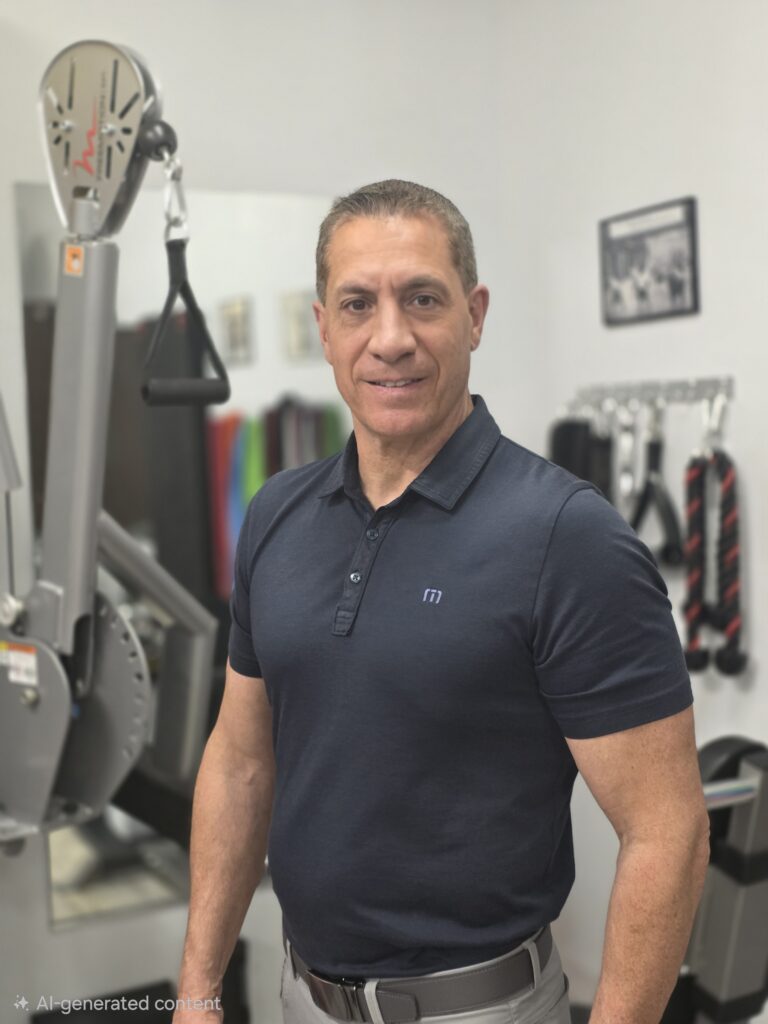
Dr. Tanner's TPI certification through the Titleist Performance Institute represents the highest standard in golf-specific healthcare. Combined with over 30 years of clinical experience treating professional and amateur golfers, he provides treatment that addresses both injury and performance.
- C.C.S.M.S
- Sports Injury Specialist
- Licensed in Physiotherapy
- TPI Certified
TPI Golf-Specific Expertise
TPI Certified Medical Professional - Advanced training in golf biomechanics, physical-swing connections, and injury patterns specific to golf
TPI Physical Assessment
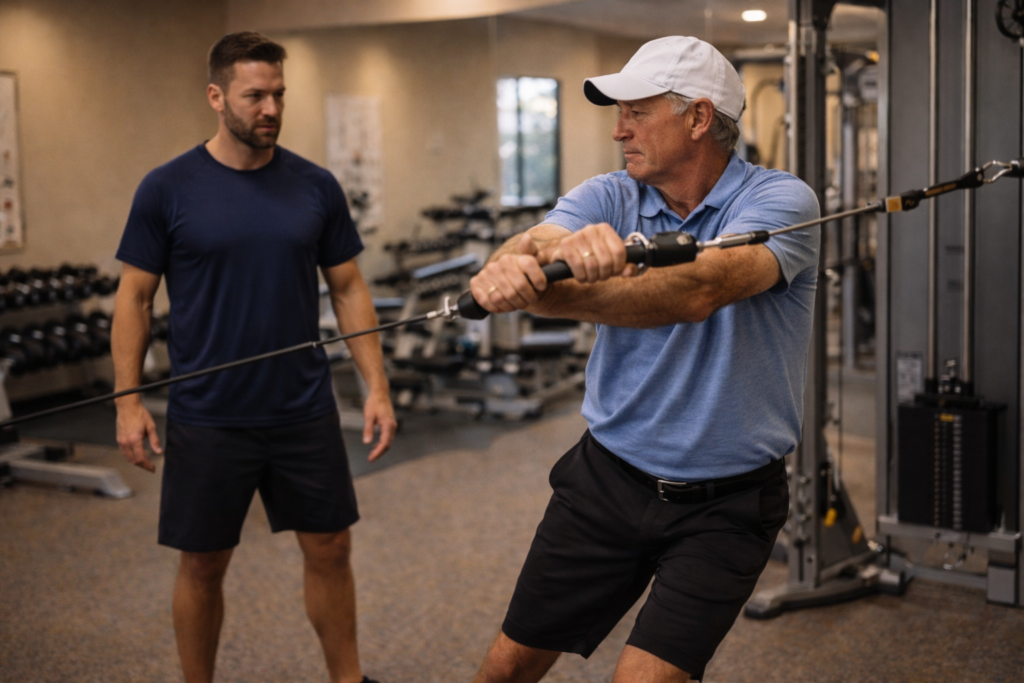
Treatment begins with the standardized TPI physical screen evaluating 16 movement patterns that correlate to swing characteristics. This assessment identifies specific mobility restrictions, stability deficits, and muscular imbalances affecting your swing. We determine which physical limitations are creating compensatory movements that increase injury risk or limit performance.
Golf-Specific Treatment Protocol
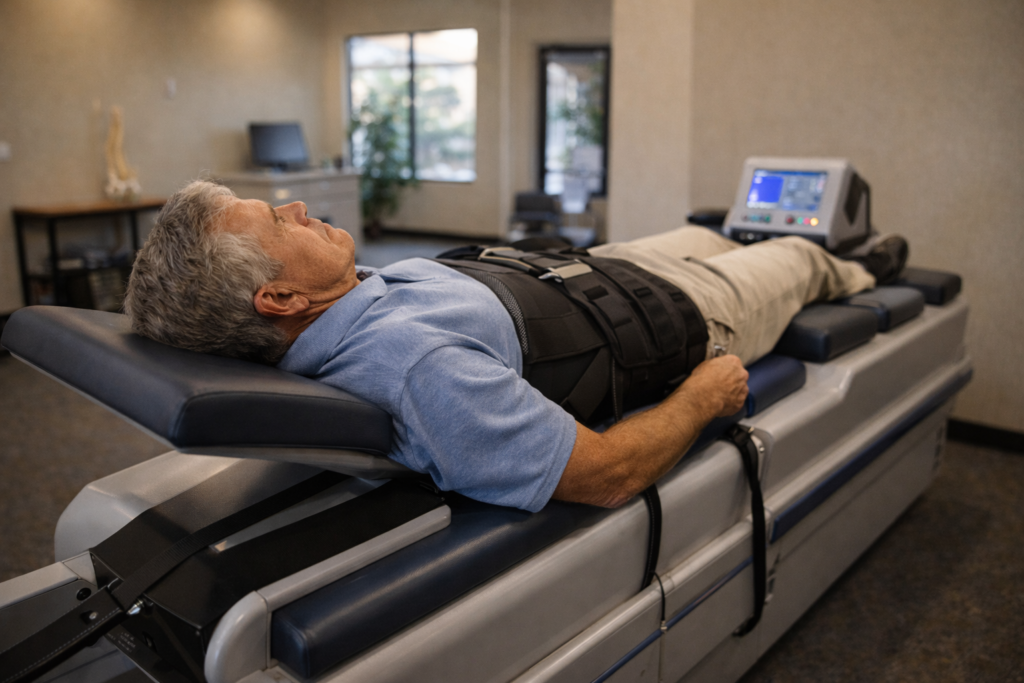
Based on TPI assessment findings and your injury presentation, we develop a targeted treatment plan addressing both immediate symptoms and underlying physical limitations. The goal is sustainable improvement in both pain and performance.
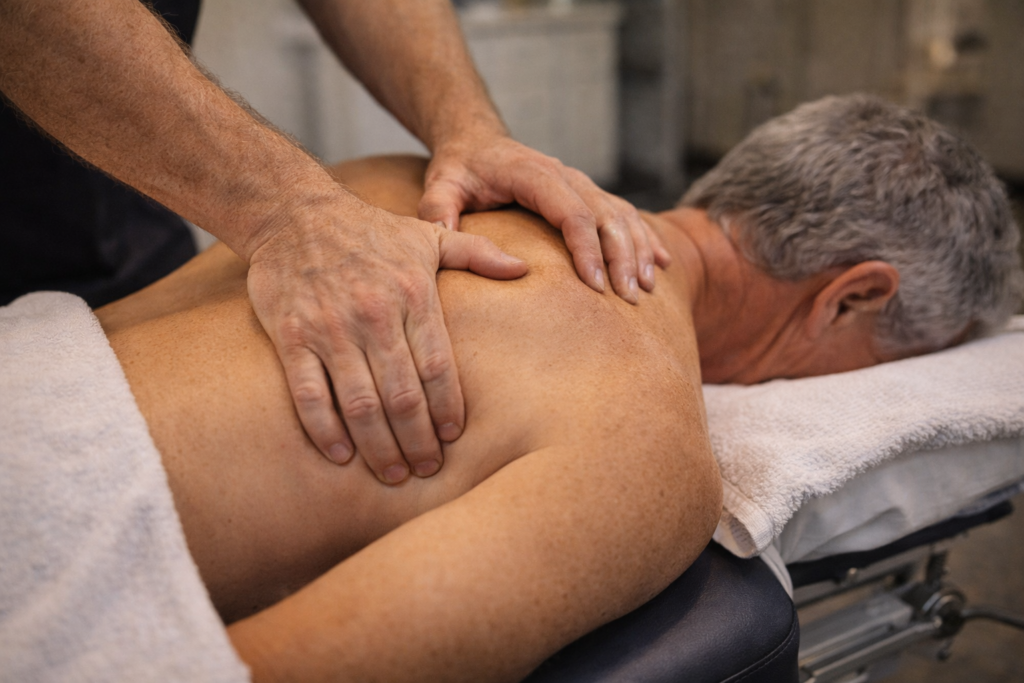
Chiropractic Care
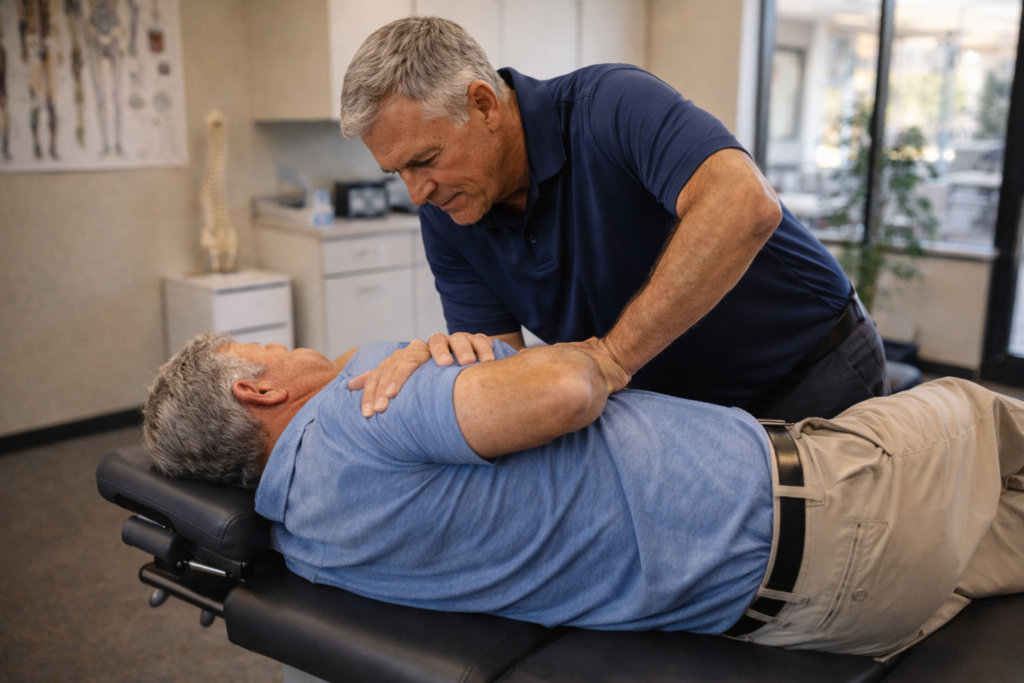
Spinal adjustments restore proper thoracic and lumbar mechanics essential for optimal rotation. We address joint restrictions limiting the separation and rotation necessary for efficient golf swing mechanics.
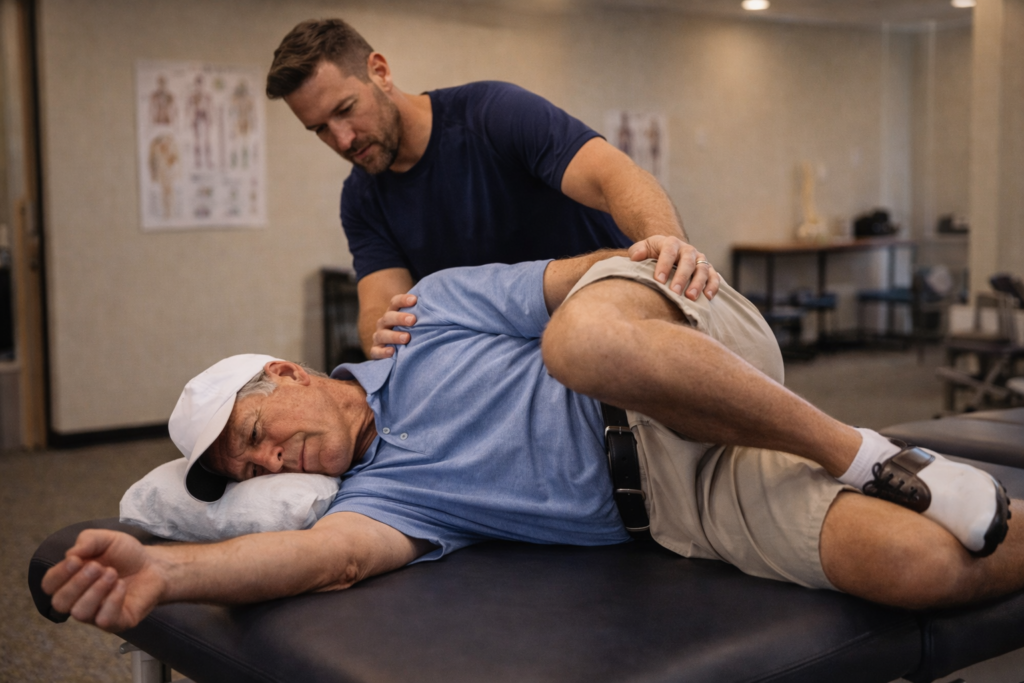
TPI Corrective Exercise
Targeted exercise based on TPI protocols to improve identified limitations. Hip mobility work for golfers with restricted rotation. Thoracic mobility for those lacking separation. Glute strengthening for stability issues.
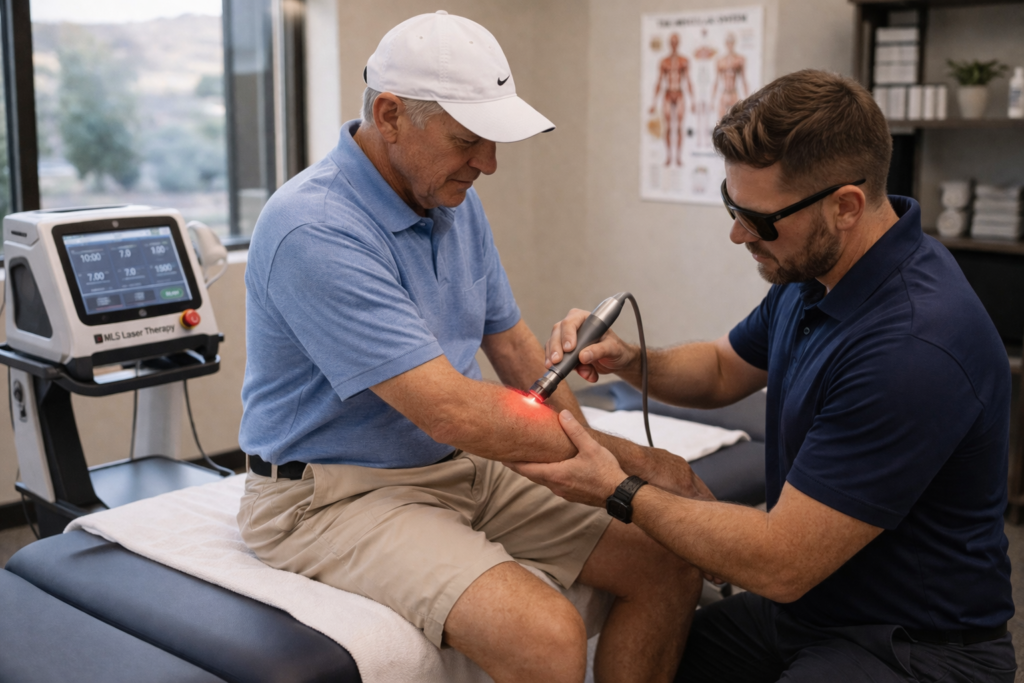
Functional Training
Golf-specific strength and conditioning using the Kinesis Wall functional training system. We train rotation, deceleration, and the specific movement patterns required for powerful, efficient swing mechanics.
What to Expect

Comprehensive Assessment
Thorough evaluation including postural analysis, movement assessment, and identification of all contributing factors. You'll leave understanding exactly what's causing your pain.
Active Treatment
Customized treatment using only the modalities that deliver optimal results. Frequency and approach adjusted based on your response to care.

Corrective & Maintenance
Focus shifts to corrective exercise and movement training for sustainable results. The goal is independence, not ongoing dependence.
Most patients experience significant improvement within 4-6 weeks. Chronic conditions may require 8-12 weeks for optimal results.
Frequently Asked Questions
TPI (Titleist Performance Institute) is the world's leading educational organization dedicated to the study of how the human body functions in relation to the golf swing. TPI certification requires extensive training in golf biomechanics, injury patterns, and the specific connections between physical limitations and swing faults. This specialized knowledge is essential for effective golf injury treatment.
Ready to Play Better Golf Without Pain?
Schedule your TPI assessment with Dr. Tanner to identify the physical limitations affecting your swing and creating injury risk. Whether you're dealing with current pain or want to optimize performance and prevent injury, TPI-certified treatment provides the golf-specific approach you need.