
- Home
- /
- Condition
- /
- Lower Back Pain
Lower Back Pain Treatment in North Scottsdale
Dr. Glen Tanner offers spinal adjustments to restore alignment and motion, combined with therapeutic services to help you maintain the results.

Are You Experiencing These Symptoms?
Lower back pain manifests differently for each patient, but common symptoms include:
Chronic Aching Pain
Persistent discomfort in the lumbar region that affects daily activities, worsens with prolonged sitting or standing, and interferes with sleep quality.
Sharp or Stabbing Pain
Sudden, intense pain with specific movements such as bending, lifting, or twisting. Pain may radiate into the hips or upper legs.
Muscle Spasms
Involuntary muscle contractions in the lower back that cause sudden pain and restricted movement. Spasms often indicate underlying instability.
Limited Range of Motion
Difficulty bending forward, rotating the spine, or performing activities that require flexibility. Stiffness that worsens after periods of inactivity.
Pain with Activity
Discomfort that increases with physical exertion, exercise, or prolonged activity. May limit participation in sports, fitness, or recreational activities.
Morning Stiffness
Significant discomfort and restricted movement upon waking that gradually improves throughout the day. Often indicates disc or facet joint involvement.
If you're experiencing any of these symptoms, comprehensive evaluation is essential to identify the underlying cause and develop an effective treatment plan.
Common Causes of Lower Back Pain
Lower back pain rarely develops from a single incident. Most cases result from cumulative biomechanical dysfunction, postural compensation, or degenerative changes that develop over time.

Muscle Imbalances & Core Weakness
Inadequate core strength compromises spinal support, forcing the lower back muscles to compensate. This chronic overload leads to muscle strain, fatigue, and eventual pain.
Postural Dysfunction
Years of sitting, computer work, or poor ergonomics create postural adaptations that increase stress on lumbar structures. Forward head position and rounded shoulders alter the entire kinetic chain.
Disc Pathology
Herniated or bulging discs can compress nerve roots, causing local pain and potentially radiating symptoms. Degenerative disc disease reduces shock absorption and joint stability.
Facet Joint Dysfunction
Restricted or hypermobile facet joints alter normal spinal mechanics. Facet syndrome causes localized pain that worsens with extension and rotation movements.
Sacroiliac Joint Dysfunction
SI joint instability or hypomobility creates referred pain in the lower back, hips, and buttocks. Often misdiagnosed as lumbar spine pathology.
Movement Pattern Dysfunction
Improper lifting mechanics, asymmetrical movement patterns, or sport-specific repetitive stress creates cumulative microtrauma that eventually manifests as pain.

Why Traditional Treatment Often Provides Only Temporary Relief
Most lower back pain treatment focuses on symptomatic relief through spinal adjustment, pain medication, or passive modalities. While these approaches can reduce immediate discomfort, they often fail to address the underlying biomechanical dysfunction causing the problem.
Standard chiropractic adjustment restores joint mobility and reduces pain, but it doesn't correct the muscle imbalances, core weakness, or movement patterns that created the problem initially. Physical therapy may strengthen muscles, but without addressing spinal alignment and joint restriction, progress plateaus. Pain management provides relief without addressing causation.
The result is a cycle of temporary improvement followed by recurrence. Patients receive treatment, feel better for days or weeks, then return with the same complaints because the underlying dysfunction remains unresolved.
Dr. Tanner's Approach to Lower Back Pain Treatment
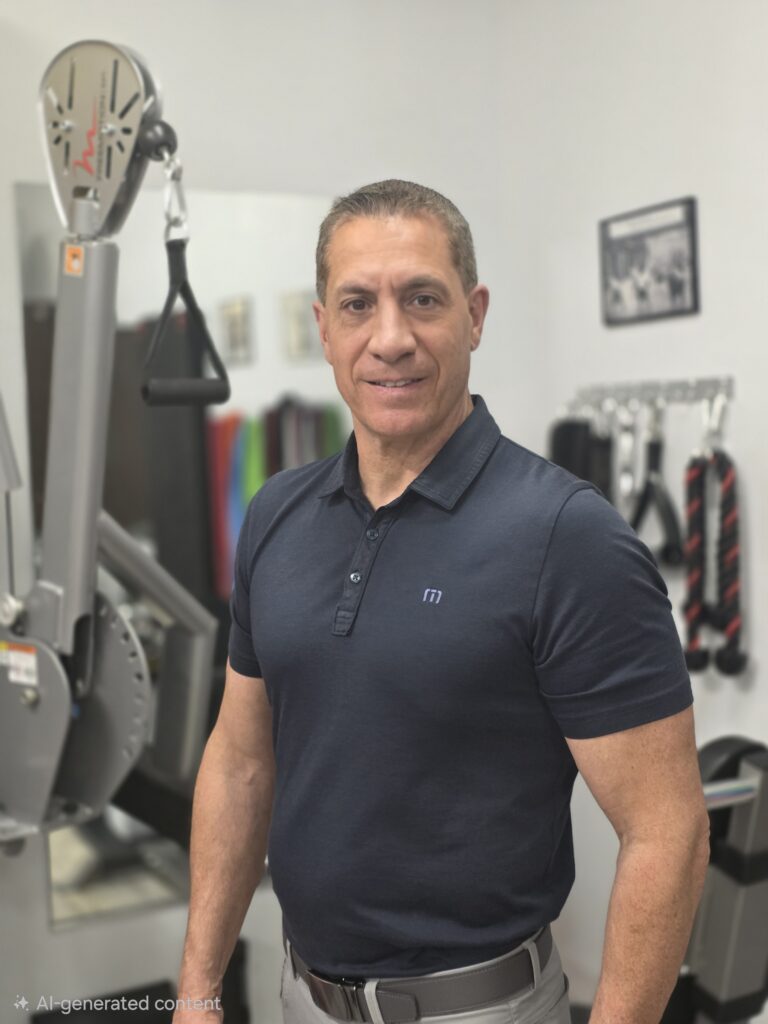
With over 30 years of clinical experience and advanced certifications in sports medicine and physiotherapy, Dr. Tanner has developed a treatment approach that addresses the complete system contributing to lower back pain.
- C.C.S.M.S
- Sports Injury Specialist
- Licensed in Physiotherapy
- TPI Certified
Advanced Credentials That Matter
TPI Certified (Titleist Performance Institute) - Advanced training in biomechanical assessment and movement analysis
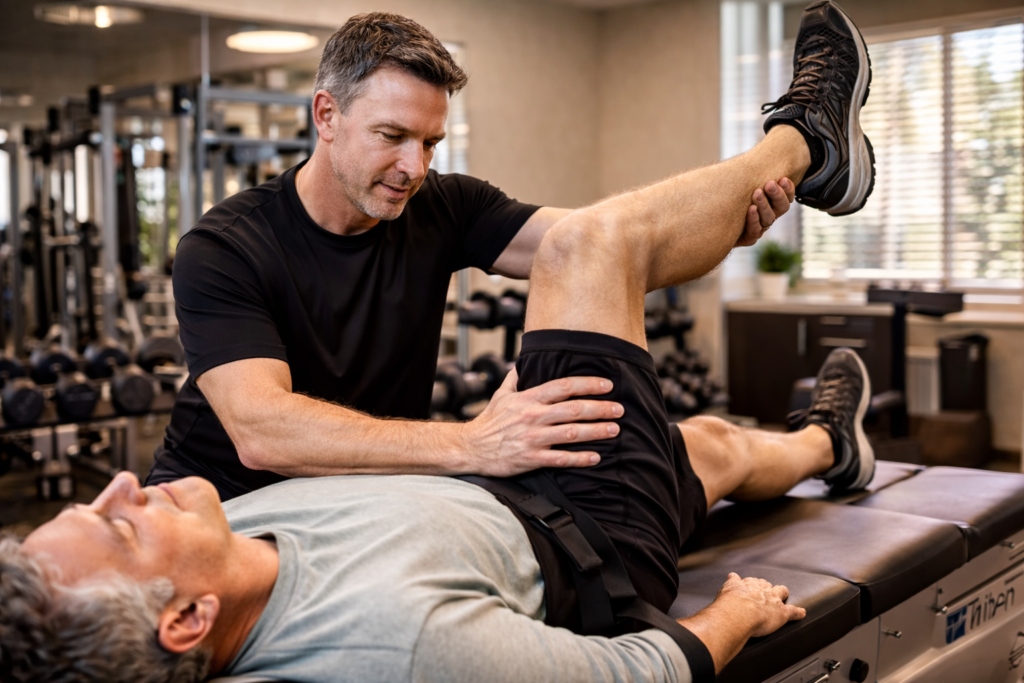
Comprehensive Assessment
Treatment begins with thorough evaluation to identify all contributing factors. This includes postural analysis, movement assessment, joint mobility testing, neurological examination, and identification of muscle imbalances or weakness patterns. We determine not just where you hurt, but why you hurt.
Customized Treatment Plan
Based on your specific condition, we develop a treatment plan using only the modalities that will deliver optimal results for your situation. Not every patient requires every service - the approach is tailored to your needs.
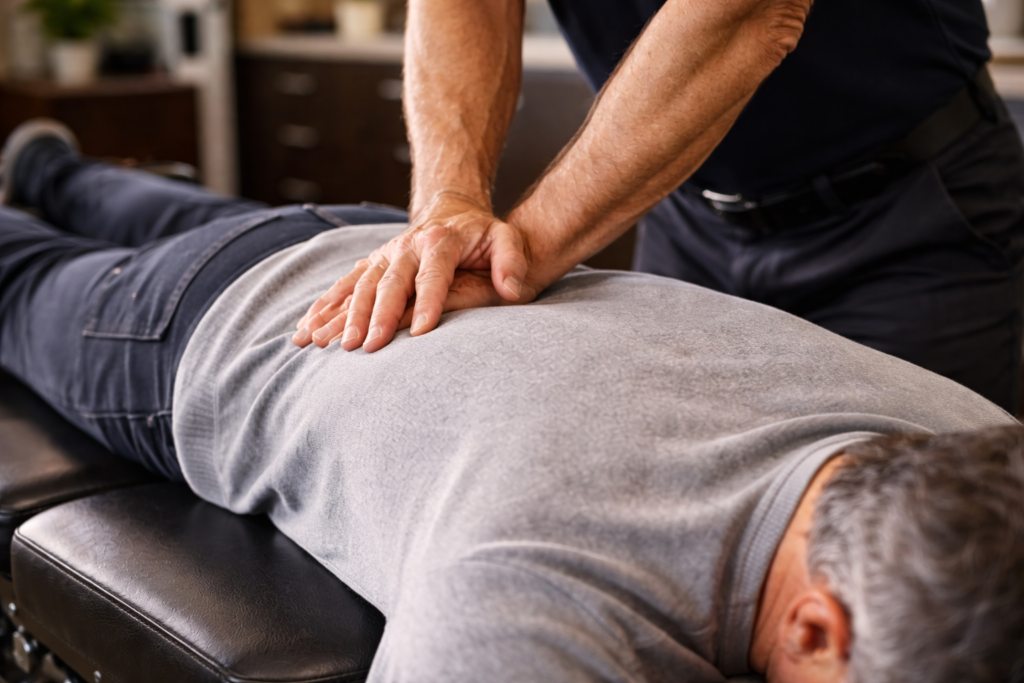
Chiropractic Care
Precise spinal adjustments restore proper joint mechanics, reduce nerve irritation, and improve overall function. Techniques are adapted to your condition and comfort level.
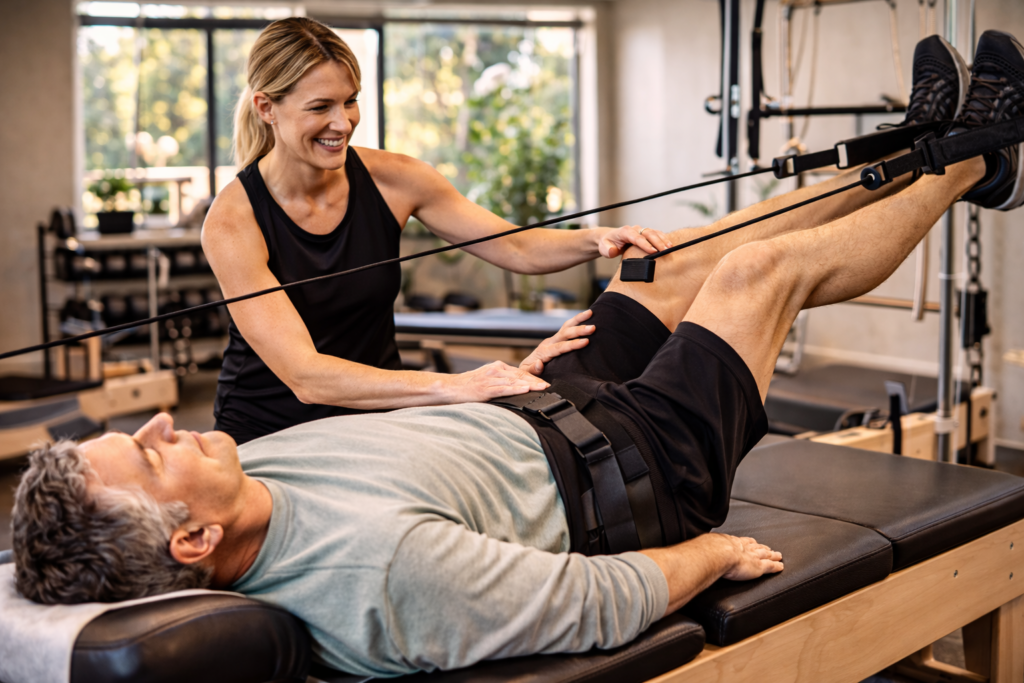
Corrective Exercise
Targeted strengthening addresses core weakness and muscle imbalances. We utilize specialized equipment like the Kinesis Wall to rebuild proper movement patterns and spinal support.
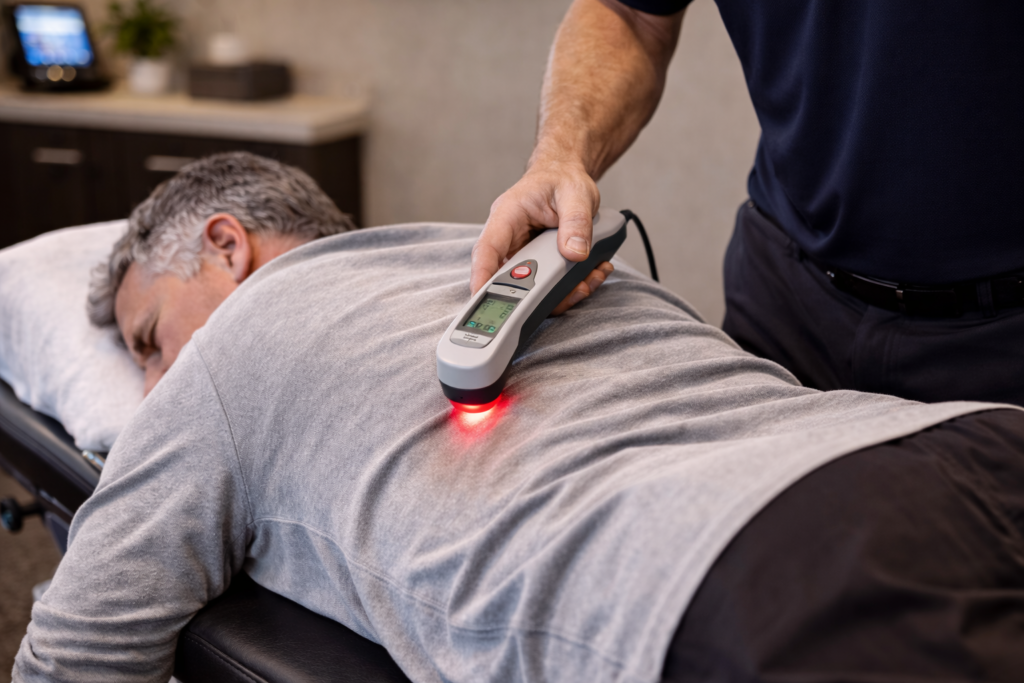
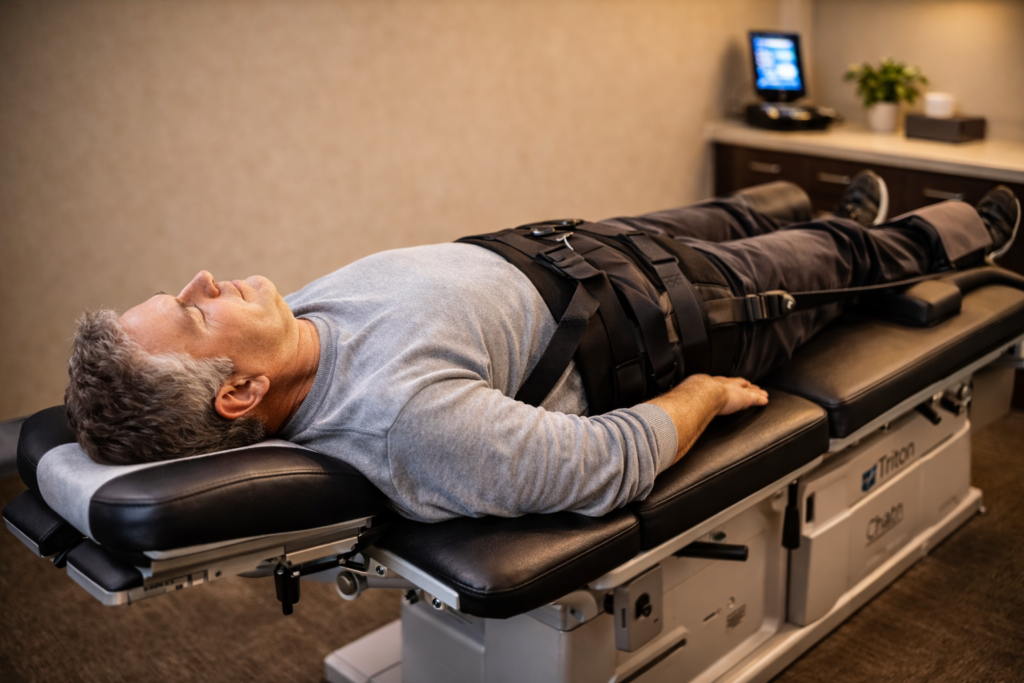
Spinal Decompression
For disc-related pain, we offer Triton DTS spinal decompression therapy. This non-surgical treatment uses controlled traction to reduce disc pressure and promote healing.
What to Expect

Comprehensive Assessment
Thorough evaluation including postural analysis, movement assessment, and identification of all contributing factors. You'll leave understanding exactly what's causing your pain

Active Treatment
Customized treatment using only the modalities that deliver optimal results. Frequency and approach adjusted based on your response to care.

Corrective & Maintenance
Focus shifts to corrective exercise and movement training for sustainable results. The goal is independence, not ongoing dependence.
Most patients experience significant improvement within 4-6 weeks. Chronic conditions may require 8-12 weeks for optimal results.
Frequently Asked Questions
Most patients notice some degree of improvement within the first 2-3 visits. Significant, lasting relief typically requires 4-6 weeks of consistent treatment for acute conditions, or 8-12 weeks for chronic cases with substantial biomechanical dysfunction.
Chiropractic care is recognized as one of the safest, most effective treatments for lower back pain. Dr. Tanner uses gentle, precise techniques adapted to each patient's condition. Contraindications are identified during initial evaluation.
The goal is to resolve your condition and provide you with the tools to maintain your results independently. Some patients choose periodic maintenance visits, but the objective is sustainable relief, not ongoing dependence.
Yes. We provide comprehensive treatment for herniated and bulging discs, including spinal decompression therapy. Severe cases requiring surgical consultation are identified during evaluation and referred appropriately.
Many patients seeking our care have received previous chiropractic treatment with limited success. The difference is our integrated approach addressing all contributing factors - not just spinal adjustment, but also muscle imbalances, core weakness, and movement dysfunction.
The goal is to resolve your condition and provide you with the tools to maintain your results independently. Some patients choose periodic maintenance visits, but the objective is sustainable relief, not ongoing dependence.
The goal is to resolve your condition and provide you with the tools to maintain your results independently. Some patients choose periodic maintenance visits, but the objective is sustainable relief, not ongoing dependence.
Ready to Address Your Lower Back Pain?
Schedule your consultation with Dr. Tanner to receive a comprehensive evaluation and customized treatment plan. During your first visit, we'll identify the root cause of your pain and develop a strategic approach to lasting relief.